
Wichita is a city that moves at its own pace - unpretentious, genuinely friendly, and proud of it. It's also a city where dogs are very much part of the culture, from the Arkansas River trails to the neighborhoods of Delano and Riverside. Dog training in Wichita doesn't have to be complicated or expensive to be effective - it just has to be consistent and guided by someone who actually knows what they're doing.
Why Wichita Dog Owners Seek Training
The reasons are usually pretty familiar: a dog that's too much to handle on walks, one that won't stop barking at the neighbor's fence, or a puppy that's discovering every surface in the house is a potential chew toy. Sometimes it's more serious - aggression that's making everyone nervous, or separation anxiety that's been going on so long the neighbors have started to complain.
Whatever the starting point, Wichita trainers are used to meeting people where they are, without judgment.
Training on the River Trails
The Arkansas River trail system is one of Wichita's great assets for dog owners. Miles of paved and natural paths, usually populated with cyclists, joggers, and other dogs. For a dog that's properly trained, it's paradise. For a dog with leash reactivity or poor impulse control, it's a gauntlet. Building the trail-specific skills - loose leash walking, passing politely, responding to recall in a stimulating environment - transforms the experience.
The Practical Reality of Getting Your Dog Trained
You don't need to block out weeks or turn your life upside down. Most productive training programs involve a handful of sessions with a professional combined with daily practice at home. The home practice is five to ten minutes at a time - short, focused, and built into your existing routine. It's doable for almost anyone, and the results compound quickly.
Frequently Asked Questions
My dog was trained before but has regressed - is that normal?
Regression happens, especially after changes in the household - a move, a new pet, a baby, changes in routine. Refresher training and reinstating consistent expectations usually gets things back on track quickly.
How do I stop my dog from jumping on guests?
Jumping is self-reinforcing - the dog gets attention, even if it's negative attention. The fix is consistently removing the reward (turning away, no eye contact, no touch) while rewarding the dog heavily for keeping all four paws on the floor. Everyone in the household needs to be consistent for this to work.
Can older dogs really learn new behaviors?
Yes. Old dogs absolutely learn new tricks - that's a myth. Cognitive capacity remains strong in most dogs well into their senior years. The process may be slightly slower, but there's no ceiling on when a dog can learn.
What's a realistic timeline for teaching loose-leash walking?
With daily practice, meaningful improvement typically shows within two to four weeks. A truly polished, automatic loose-leash walk in highly distracting environments takes longer - often two to three months of consistent effort.
Wichita Has Great Dog Country - Enjoy It
The trails, the parks, the river - Wichita is a fantastic city for life with a dog. The only thing between your dog and full enjoyment of all of it is a bit of training. Get started today and find out how quickly things can change.
Page 18 – Dog Training in Ralston, Nebraska
Popular Online Dog Training Topics
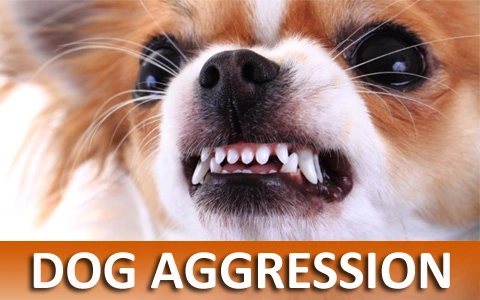
Aggression
Learn how to approach aggression and reactivity with safer handling, better management, and science-based training steps.
Learn More
Puppy Biting
Teach your puppy what to bite, how to settle, and how to use their mouth more appropriately around people.
Learn More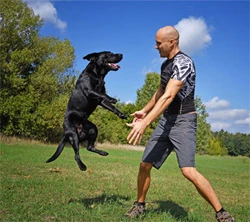
Jumping
Build polite greetings so your dog learns how to meet people without jumping, crowding, or getting overexcited.
Learn More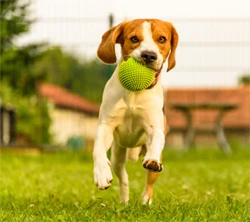
Boundaries
Create clear household structure around doors, furniture, rooms, guests, food, and everyday routines.
Learn More
Potty Training
Set up a practical routine that helps puppies and dogs understand where and when to go potty.
Learn More
Recall
Teach your dog to come when called with motivation, consistency, and real-world practice.
Learn More
Resource Guarding
Understand guarding behavior and learn how to reduce conflict around food, toys, spaces, and valued items.
Learn More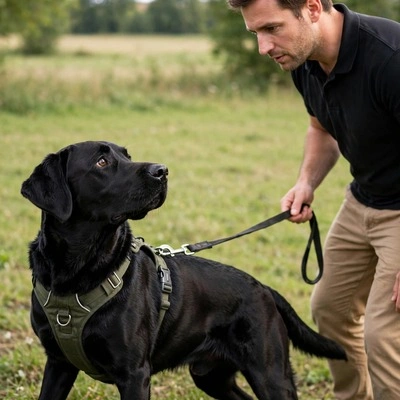
Leash Pulling
Improve leash manners with better engagement, clearer timing, and calmer walking routines.
Learn More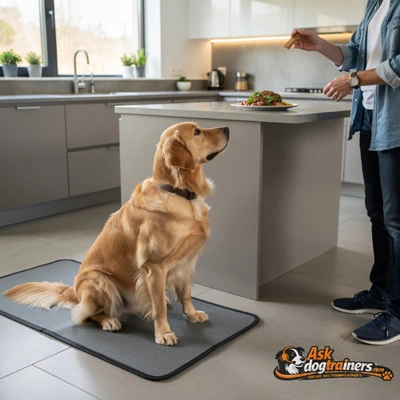
Stealing Items
Stop counter surfing, grabbing, and stealing by teaching better choices and building impulse control.
Learn More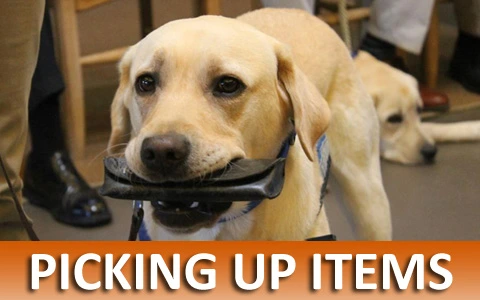
Picking Up Items
Teach your dog to pick up items on cue while building cooperation, confidence, and focus.
Learn More
Polite Greetings
Help your dog greet people calmly instead of jumping, barking, pulling, or crowding visitors.
Learn More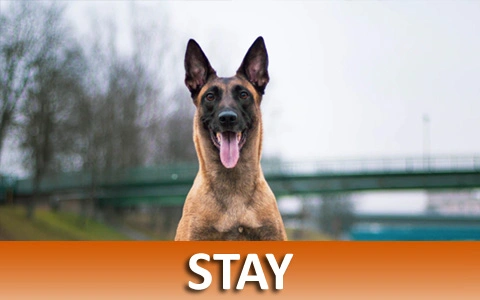
Stay
Build a reliable stay by teaching duration, distance, distractions, and calm release cues.
Learn More
Door Manners
Teach calm behavior at doors so your dog does not rush, bolt, jump, or overwhelm guests.
Learn More
Engagement
Strengthen focus and motivation so your dog wants to work with you around real-world distractions.
Learn More
Calm Leashing
Create a calmer routine before walks by improving leash presentation, focus, and impulse control.
Learn More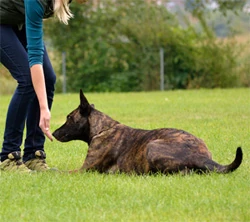
Down
Teach a clear and confident down that can become useful for manners, settling, and obedience work.
Learn More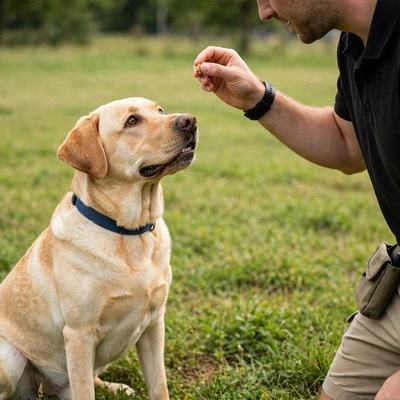
Sit
Build a clean sit cue as a foundation for manners, attention, polite greetings, and basic obedience.
Learn More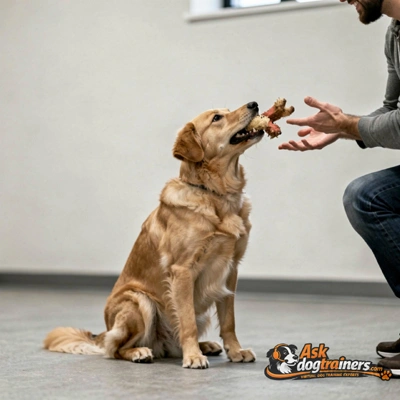
Drop Items
Teach your dog to release toys, food wrappers, and other items without conflict or chasing.
Learn MoreDog Training Service Areas in Kansas
AskDogTrainers.com provides virtual dog training help for dog owners throughout Kansas. Select your city below to learn more about online dog training support in your area.
What Clients Say
“We got so much out of one hour Zoom puppy training session with Jason. Every moment was filled with useful information we needed to work with our puppy.”
— Elishia Tucker“Jason is an absolutely fantastic person and trainer. He immediately put together a simple and effective plan of attack.”
— Isabel Gibson“Jason has the heart of a teacher and a passion for helping people understand how to communicate with their dogs in a healthy way.”
— Danielle Clair“I first called Jason because I thought I was going to need to re-home my pup. Thankfully, I started training with Jason and am forever grateful.”
— Tiffani Cox“We drive 200 miles round trip for Jason's classes. That should be testimony enough as to what we think of his training.”
— Diane Griffin“Jason is phenomenal. Certainly the only trainer I recommend. Don't waste your time trying the others.”
— Joshua Miller