
Ask any dog trainer what the single most important behavior a dog can have, and most will give you the same answer without hesitating: a reliable recall. The ability to call your dog and have them come - every time, without negotiation - is the foundation of every other freedom you give them. Off-leash time in the yard. Hikes without a leash. The peace of mind when your dog slips out the front door before you can catch them.
The problem is that recall is also one of the most commonly trained behaviors done wrong. This guide walks you through what actually works - and why so many well-intentioned training attempts fall apart.
Why Recall Fails (And It's Not Your Dog's Fault)
The most common mistake people make with recall is poisoning the cue before the behavior is solid. Here's what that looks like: you call your dog to come, they don't respond, you repeat the cue five more times, they eventually wander over, you give them a mediocre pat on the head. What the dog learned: 'come' means nothing urgent, and even if I eventually go over there, nothing particularly good happens.
Over time, 'come' becomes background noise. The dog has learned that the word has no reliable consequence attached to it.
The Foundation: Making 'Come' Mean Something Extraordinary
Start Before You Think You Need To
Begin recall training the day your dog comes home, puppy or adult. Call their name, take a few excited steps backward, and when they reach you, throw a party - multiple treats, enthusiastic praise, the kind of response that makes the dog think arriving at you is literally the best thing that happened all day. You're building a conditioned emotional response: hearing 'come' feels good.
Never Call Your Dog to Something Unpleasant
This is the cardinal rule of recall training. Don't call your dog to give them a bath they hate. Don't call them and then immediately leash them up when they clearly want to keep playing. Every time you do this, you're teaching them that coming to you ends the fun. Instead, go get your dog for unpleasant things, and reserve the recall cue for positive outcomes.
Proof It Gradually
A recall that works in your quiet kitchen is a starting point, not a finished product. Work through progressively more distracting environments: a hallway, the backyard, a quiet park, a busier trail. Each environment is a new test of whether the behavior is truly understood, and adding difficulty too quickly is a common reason recall training stalls.
The Long Line: Your Best Training Tool
A 20 to 30-foot long line (essentially a lightweight long leash) allows you to practice real-world recall without the risk of your dog running off before the behavior is reliable. It gives you the ability to gently prevent failure - if your dog doesn't respond to the cue, you can use the line to guide them in - rather than letting them learn that ignoring the cue has no consequences.
Most people try to go off-leash too quickly. The long line bridges that gap safely.
Common Mistakes to Avoid
Repeating the cue when your dog doesn't respond - this teaches them to ignore it. Calling them to punish them or end something fun. Using recall as your way of demanding they stop a behavior you don't like, rather than building a clean, rewarded behavior. And expecting an untrained recall to work in high-distraction environments - that's like expecting someone who just started driving to merge onto a highway in rush hour.
When to Get Professional Help
If your dog's recall is unreliable and they have access to unsafe situations - traffic, aggressive animals, open water - this is worth getting professional eyes on quickly. AskDogTrainers.com offers virtual training sessions specifically for recall development. A trainer can watch your current technique, identify exactly where the breakdown is happening, and give you a precise plan to fix it.
Frequently Asked Questions
Q: My dog comes when they feel like it. How do I make it consistent?
Inconsistency in recall almost always traces back to the reinforcement history. The cue needs to predict something genuinely great, every single time, during the training phase. We call this building a strong reinforcement history, and it's the engine that makes the behavior reliable.
Q: At what age should I start recall training?
The moment your puppy comes home. Even at eight weeks, puppies can begin learning that their name and the recall cue predict wonderful things. This early foundation makes everything easier as they get older and the world gets more distracting.
Q: My dog does great on a leash but ignores me off-leash. Why?
On-leash, your dog doesn't have a choice. Off-leash, they do - and they're making the economically rational decision based on their training history. The recall hasn't been reinforced enough to compete with the alternative. The fix is building that reinforcement history intentionally, in progressively distracting environments, before giving full off-leash freedom.
Build the Recall, Earn the Freedom
A reliable recall isn't built in a day. It's built through hundreds of small, positive repetitions over weeks and months. But the investment is worth every moment - it's the skill that gives your dog more freedom, not less, because you can trust them with it. If you want professional guidance building this skill, AskDogTrainers.com is here. Our virtual sessions are designed to work with your specific dog, in your environment, with your schedule.
Building a deep-seated motivation so your dog wants to return to you more than they want to chase a distraction.
Using high-value rewards and positive methods to cement the behavior and build off-leash reliability.
Testing the skill in real-world environments to ensure your dog listens even in high-distraction scenarios.
Popular Online Dog Training Topics
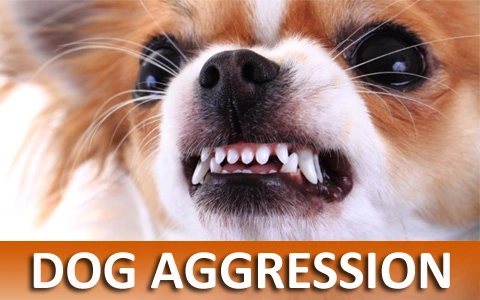
Aggression
Learn how to approach aggression and reactivity with safer handling, better management, and science-based training steps.
Learn More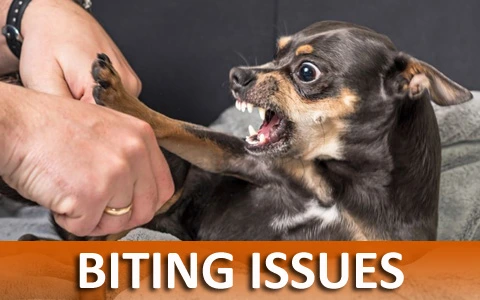
Puppy Biting
Teach your puppy what to bite, how to settle, and how to use their mouth more appropriately around people.
Learn More
Jumping
Build polite greetings so your dog learns how to meet people without jumping, crowding, or getting overexcited.
Learn More
Boundaries
Create clear household structure around doors, furniture, rooms, guests, food, and everyday routines.
Learn More
Potty Training
Set up a practical routine that helps puppies and dogs understand where and when to go potty.
Learn More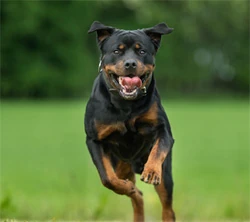
Recall
Teach your dog to come when called with motivation, consistency, and real-world practice.
Learn More
Resource Guarding
Understand guarding behavior and learn how to reduce conflict around food, toys, spaces, and valued items.
Learn More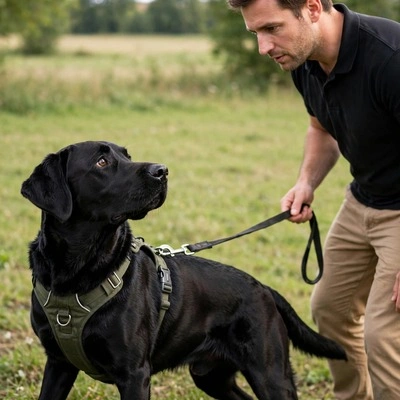
Leash Pulling
Improve leash manners with better engagement, clearer timing, and calmer walking routines.
Learn More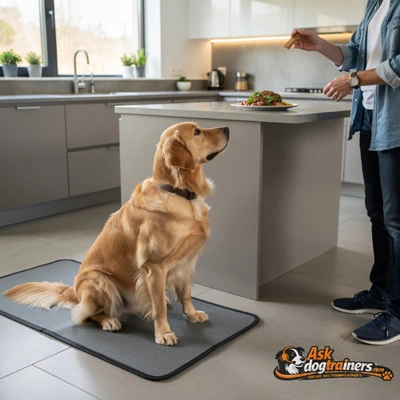
Stealing Items
Stop counter surfing, grabbing, and stealing by teaching better choices and building impulse control.
Learn More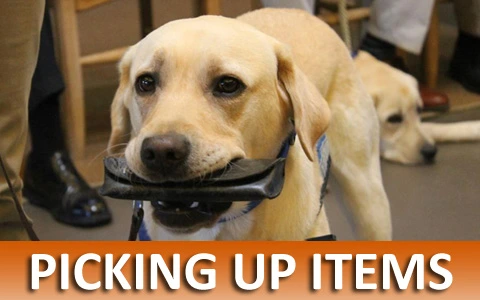
Picking Up Items
Teach your dog to pick up items on cue while building cooperation, confidence, and focus.
Learn More
Polite Greetings
Help your dog greet people calmly instead of jumping, barking, pulling, or crowding visitors.
Learn More
Stay
Build a reliable stay by teaching duration, distance, distractions, and calm release cues.
Learn More
Door Manners
Teach calm behavior at doors so your dog does not rush, bolt, jump, or overwhelm guests.
Learn More
Engagement
Strengthen focus and motivation so your dog wants to work with you around real-world distractions.
Learn More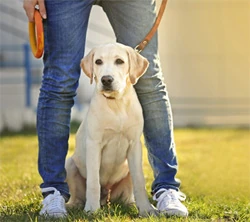
Calm Leashing
Create a calmer routine before walks by improving leash presentation, focus, and impulse control.
Learn More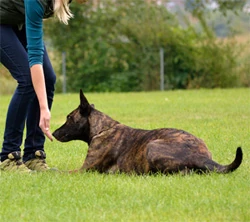
Down
Teach a clear and confident down that can become useful for manners, settling, and obedience work.
Learn More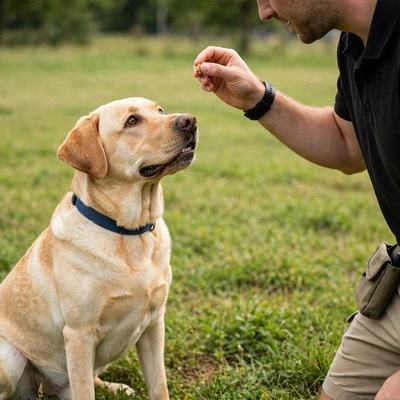
Sit
Build a clean sit cue as a foundation for manners, attention, polite greetings, and basic obedience.
Learn More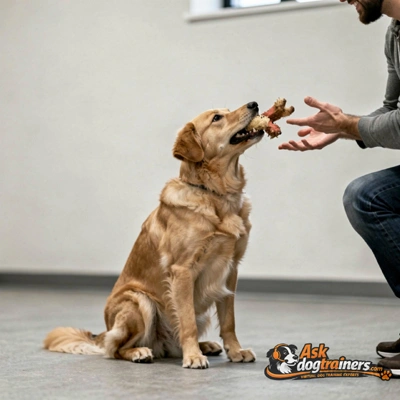
Drop Items
Teach your dog to release toys, food wrappers, and other items without conflict or chasing.
Learn MoreWhat Clients Say
“We got so much out of one hour Zoom puppy training session with Jason. Every moment was filled with useful information we needed to work with our puppy.”
— Elishia Tucker“Jason is an absolutely fantastic person and trainer. He immediately put together a simple and effective plan of attack.”
— Isabel Gibson“Jason has the heart of a teacher and a passion for helping people understand how to communicate with their dogs in a healthy way.”
— Danielle Clair“I first called Jason because I thought I was going to need to re-home my pup. Thankfully, I started training with Jason and am forever grateful.”
— Tiffani Cox“We drive 200 miles round trip for Jason's classes. That should be testimony enough as to what we think of his training.”
— Diane Griffin“Jason is phenomenal. Certainly the only trainer I recommend. Don't waste your time trying the others.”
— Joshua Miller